John Richard Stephens has been an author for most of his life and when he takes a break from writing, he enjoys the challenge of composing haiku. Some of these have featured in Asahi Shimbun (Japan), Icebox (Japan), Enchanted Garden Haiku Journal (Romania), Cold Moon Journal (Italy), Chrysanthemum (Germany), Cornflower Haiku Magazine (Belgium), Triya (India), LEAF (India), the zen space (Scotland), cattails (Canada), Haiku Canada Review (Canada), NeverEnding Story (Canada), Drifting Sands Haibun (U.S.), Haiku Journal (U.S.), Autumn Moon Haiku Journal (U.S.), and The Heron's Nest (U.S.).
His haiku featured in the Yamadera Basho Memorial Museum's 17th English Haiku Contest (Japan), the 2025 Fujisan Tanka Contest (Japan), and the 1st Matsuyama Inspires English Haiku Contest (Japan).
They are scheduled to appear in upcoming issues of Modern Haiku (U.S.), hedgerow (England), the zen space (Scotland), and the Asahi Shimbun (Japan).
The world's second largest newspaper, the Asahi Shimbun,
features a regular haiku column edited by David McMurray. John greatly admires what David sensei is doing to promote haiku worldwide and is often inspired by his column. You really should check it out at https://www.asahi.com/ajw/special/haiku/.
scrubbing to and fro—
a cat's paw in the water
washes the river
It reappeared in the zen space (Scotland), New Year Showcase 2026.
forgotten scarecrows—
arms wide awaiting
an embrace
court summons—
I carefully fold it
into a crane
法院傳票—
我小心翼翼地把它
折疊成一隻鶴
法院传票—
我小心翼翼地把它
折叠成一只鹤
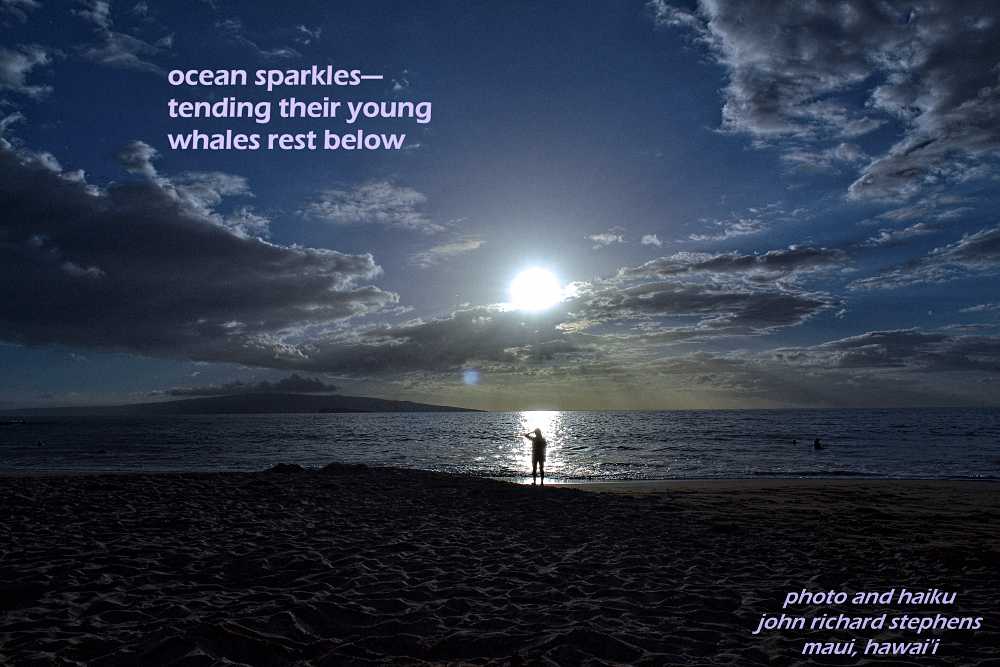
ocean sparkles—
tending their young
whales rest below
It also appeared in Triya (India), Monsoon Edition 2026.
ripples overhead—
the tranquil koi glances up
at the pounding rain
valuri deasupra capului—
liniştitul koi priveşte în sus
la ploaia torenţială
emerging rainbow—
a little flower girl
trails the bride
cat asleep pond-side—
its paw trying to catch
dream fish
lost in fog—
surrounded
by an unseen world
meditating—
silently gathering in
the present
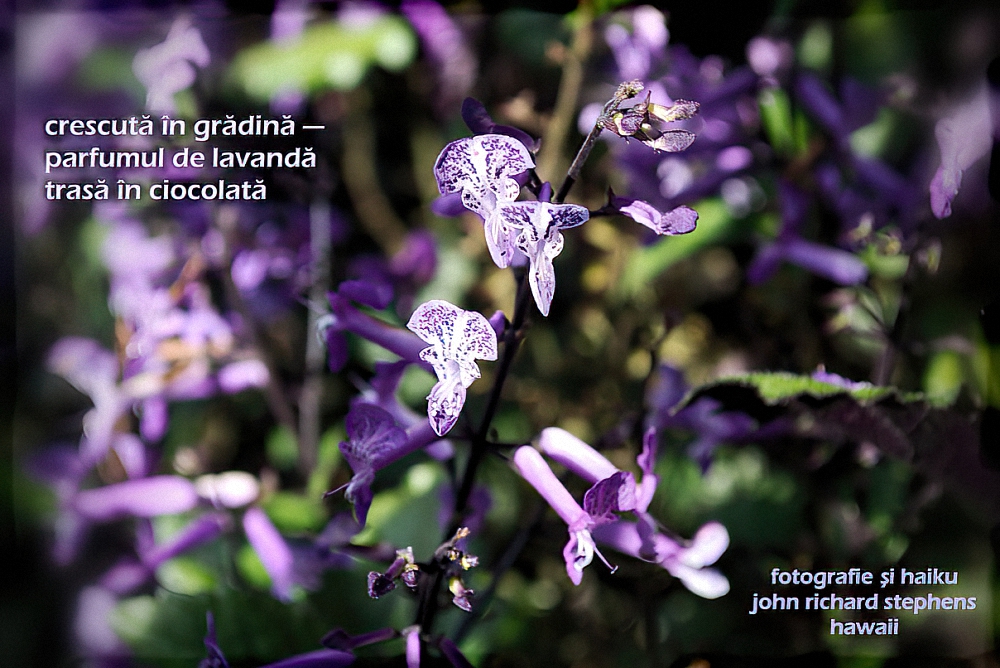
crescută în grădină—
parfumul de lavandă
trasă în ciocolată
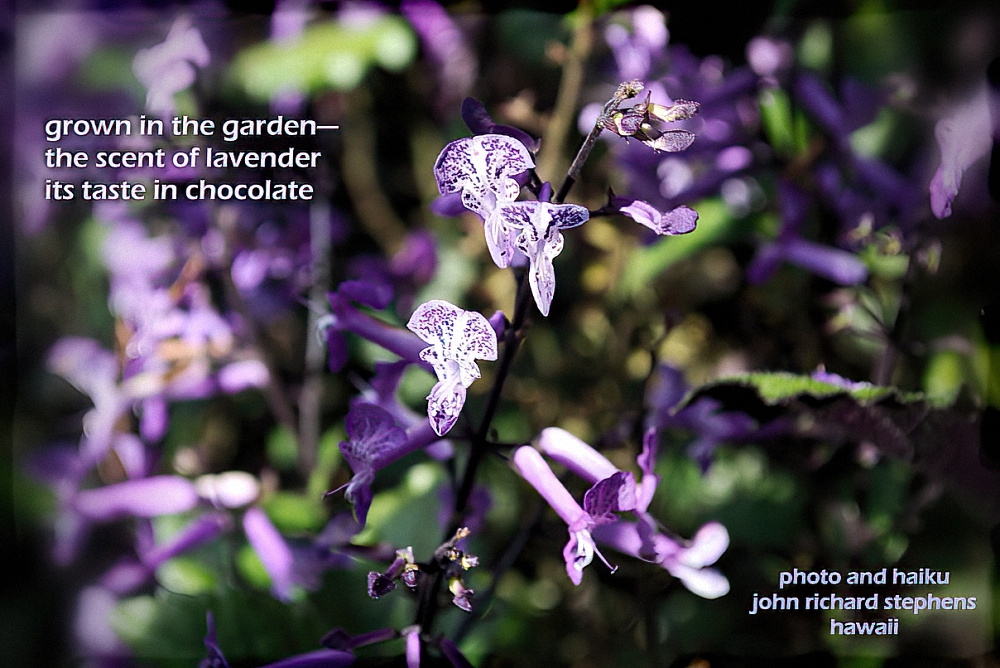
grown in the garden—
the scent of lavender
its taste in chocolate
rising and falling,
the kitten's ecstatic dance
mirrors the fireflies
quiet afternoon,
soft paws bat at a flower
playing with their prey
fluttering ginkgo leaves—
beneath the tree
geisha fan themselves
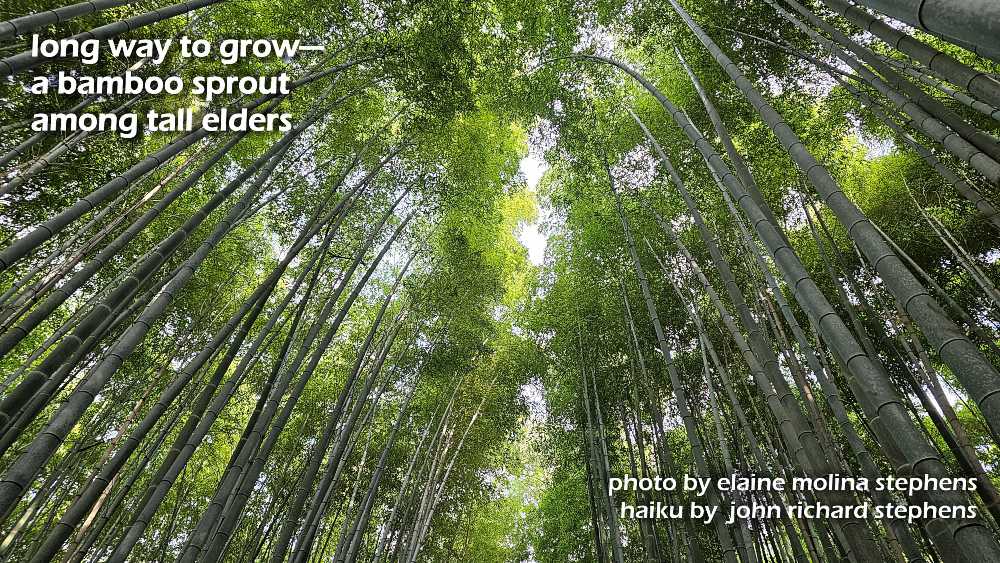
long way to grow—
a bamboo sprout
among tall elders
road-weary traveler—
trading hats
with a scarecrow
home for the elderly—
dry leaves skip
along the dirt road
वृद्धाश्रम—
पगडंडी के किनारे
सूखी पत्तियों का लुढ़कना
Then it featured in Triya (India), Sharad Edition 2025.
dry leaves skip
along the dirt road—
old age home
枯葉沿著泥路
隨風跳動—
養老院
枯叶沿着泥路
随风跳动—
养老院
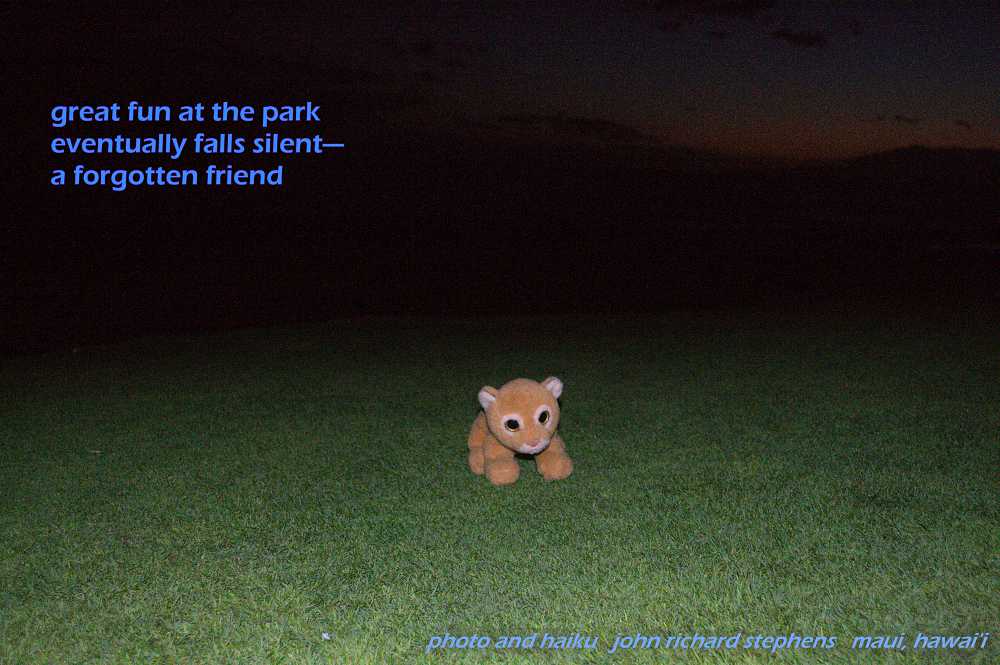
great fun at the park
eventually falls silent—
a forgotten friend
distracţia grozavă din parc
în cele din urmă amuţeşte—
un prieten uitat
the fire dies—
chimney smoke
blends with the mist
the funeral begins—
in the mailbox
get-well cards
rising up
from pond scum—
lotus flowers
ताल पर जमी झाग
की परत को चीरते—
निर्मल कमल
Then it featured in English and Hindi in Triya (India), Monsoon Edition 2026.
my face—
how different
the face of a flower
my face—
how similar
the face of a monkey
Kyoto Monkey Park—
macaques run free
people in cages
moon through bamboo—
even the monkeys
whisper
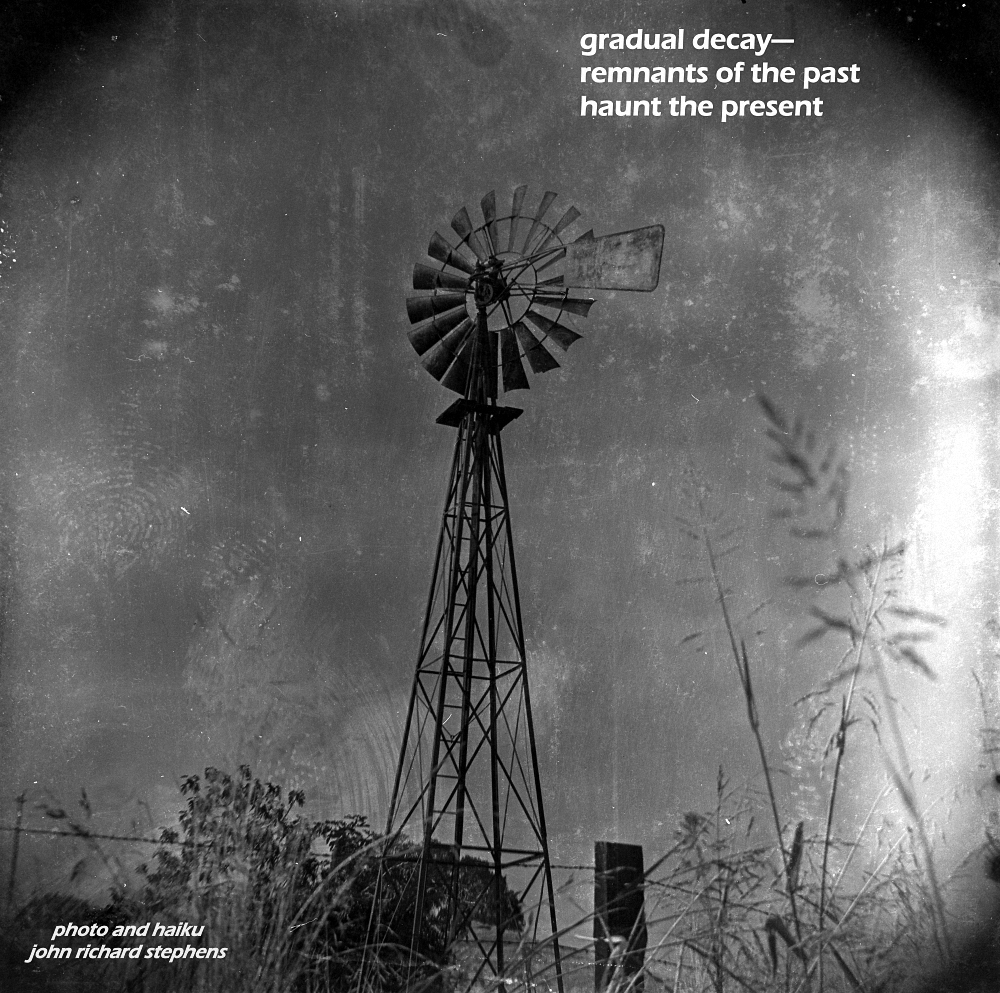
gradual decay—
remnants of the past
haunt the present
floating kites
restrained by their tethers—
a balloon floats by
Sunday afternoon—
the ticking antique clock
divides the silence
crab carapace—
a warrior’s
abandoned armor
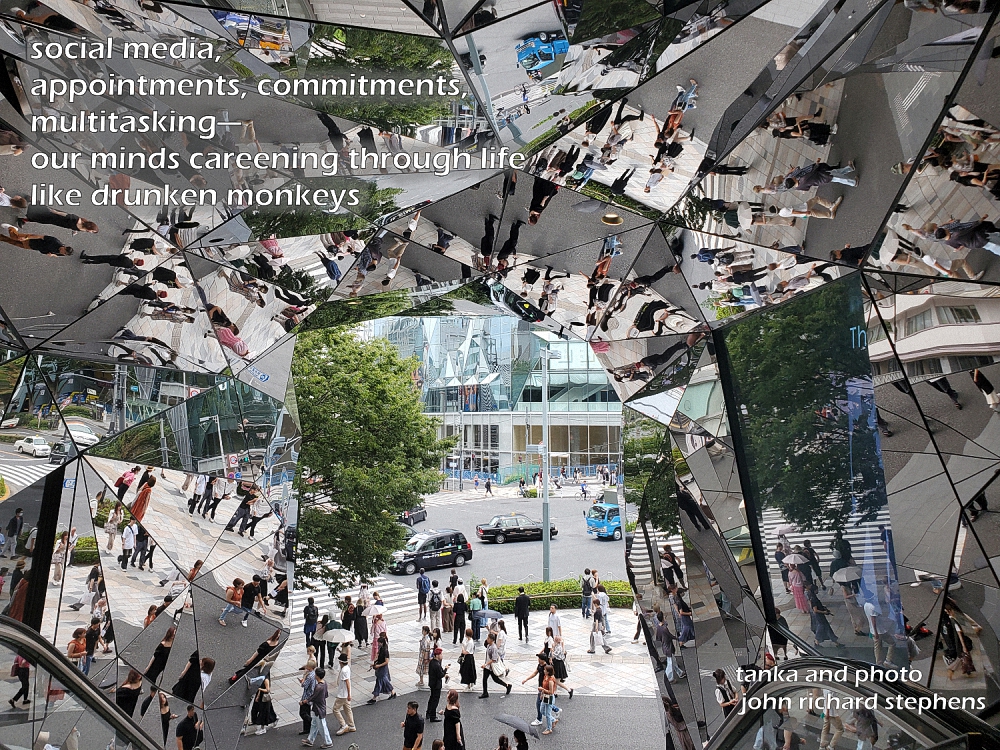
social media
appointments, commitments,
multitasking—
our minds careening through life
like drunken monkeys
a streetlight turns on attracting circling moths watched by a cat below
daughter's birthday—
candle flames
flip and twirl
eyes wide open—
hovering on the cusp
of the witching hour
blanketed by clouds slumbering hills are touched by the rising sun
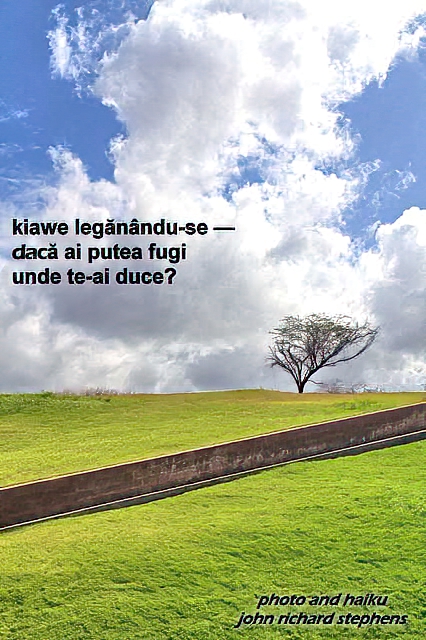
kiawe legănându-se—
dacă ai putea fugi
unde te-ai duce?
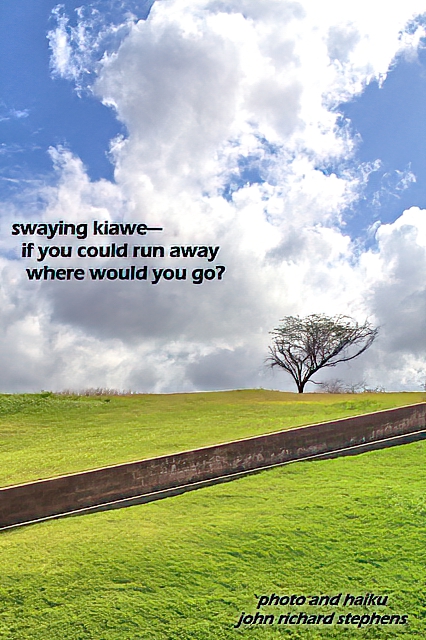
swaying kiawe—
if you could run away
where would you go?
a long journey’s end— the river vanishes into the sea
sparrow on a branch— an old cat leaps into flight
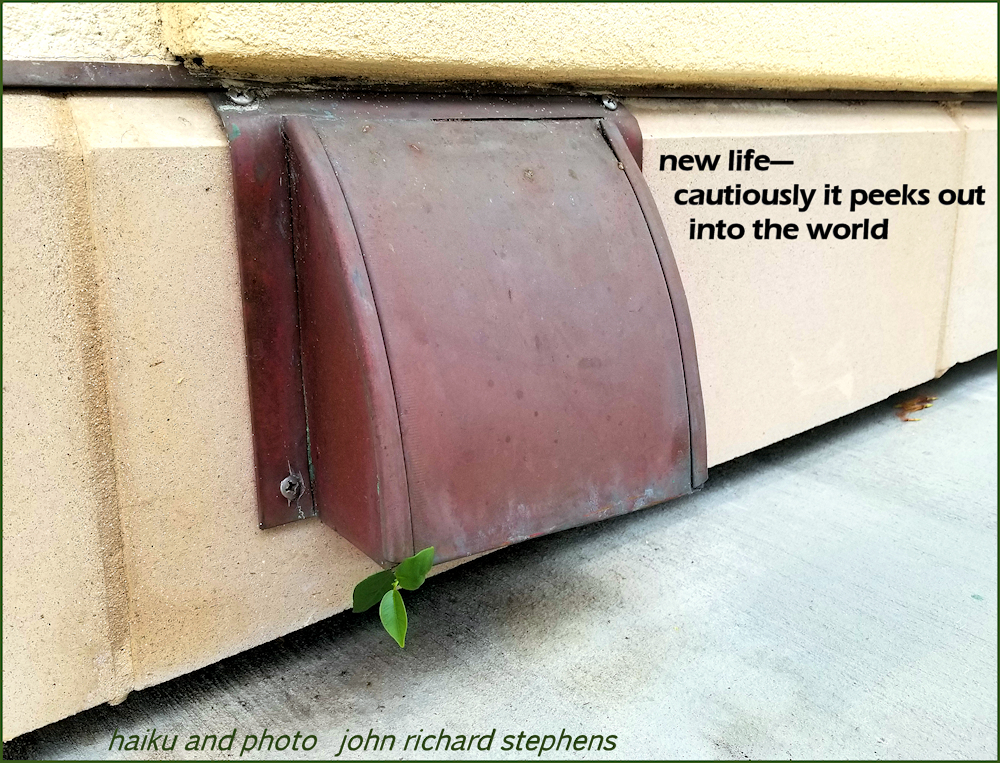
new life—
cautiously it peeks out
into the world
garden afternoon—
butterflies flutter by
the empty bench
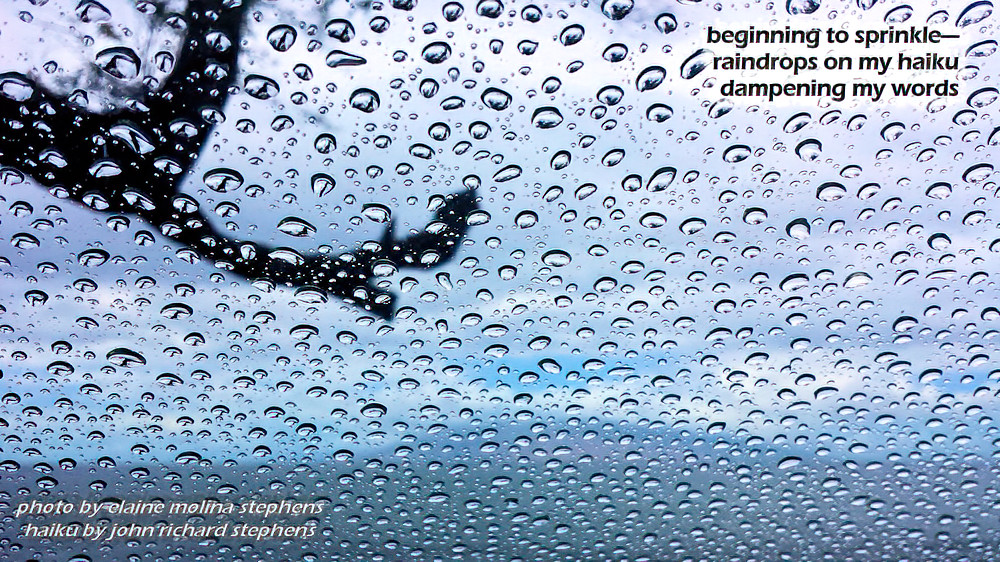
beginning to sprinkle—
raindrops on my haiku
dampening my words
începe să picure—
stropi de ploaie pe haiku-ul meu
atenuându-mi cuvintele
salt in the air
fists on the clay—
tension rises
Nagasaki—
burning embers
fireflies
yet another war—
falling bombs reflected
in the turtle's tears
ringing bells of dusk
mark the approaching night—
the undertaker sighs
entering the shrine
in moonlight—
alone with the kami
high mountain trail—
a woman vanishes
into the mist—kami? fae?
Fujisan hike with the kami
feeling joyful and carefree
fresh mountain air
panoramic view
my community below
after school—
ponytails bounce up the steps
of Ise Grand Shrine
CEO
in the temple—
praying mantis
seeing spots—
spotted ladybugs
chase Yayoi Kusama
rising sun—
bowing before
the torii gate of dawn